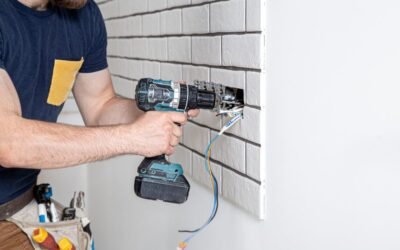
If you run a shop, café, guesthouse, or stall at Louth’s weekly market, the plug-in equipment you rely on every day — kettles, fridges, till systems, extension leads — falls under Portable Appliance Testing (PAT) requirements. It’s one of the most overlooked areas of business electrical compliance, and one of the simplest to sort.
What is PAT testing?
PAT testing is a visual and electrical check of portable appliances to confirm they’re safe to use. It covers anything with a plug: kitchen equipment, computers, extension leads, power tools, and more.
Is PAT testing a legal requirement?
There’s no single law stating “you must PAT test,” but under the Electricity at Work Regulations 1989, you’re legally required to keep electrical equipment safe — and PAT testing is the standard, insurer-recognised way of demonstrating that. Most business insurance policies expect it, and many landlords require proof of PAT testing before renewing a commercial lease.
How often does it need doing?
Frequency depends on the equipment and how it’s used:
- High-use items (kettles, kitchen equipment in a busy café) — typically annually
- Lower-risk office equipment (computers, monitors) — often every 2–4 years
- Market stalls and seasonal trading equipment — worth checking before each trading season, given the equipment is regularly moved, plugged and unplugged, and exposed to the weather
What happens during testing?
A visual inspection catches obvious damage — frayed cables, cracked plugs, loose connections — while electrical testing checks earthing, insulation, and polarity using calibrated test equipment. Each item that passes gets a pass label with the test date; anything that fails is flagged, with clear advice on repair or replacement.
Why Louth businesses choose Matson Electrical
We work with shops, cafés, and market traders across Louth, scheduling PAT testing around your trading hours so it doesn’t disrupt business — including out-of-hours and early morning slots for market-day traders.